
How to Integrate Your Smart Home: Expert Tips and Tricks


Understanding Smart Home Integration
Integrating your smart home devices can transform your living space into a seamless hub of automation. The key is to ensure that all your devices communicate effectively. Start by choosing a central hub that supports a wide range of devices. Popular options include Amazon Echo, Google Nest, and Apple HomeKit.
Choosing Compatible Devices
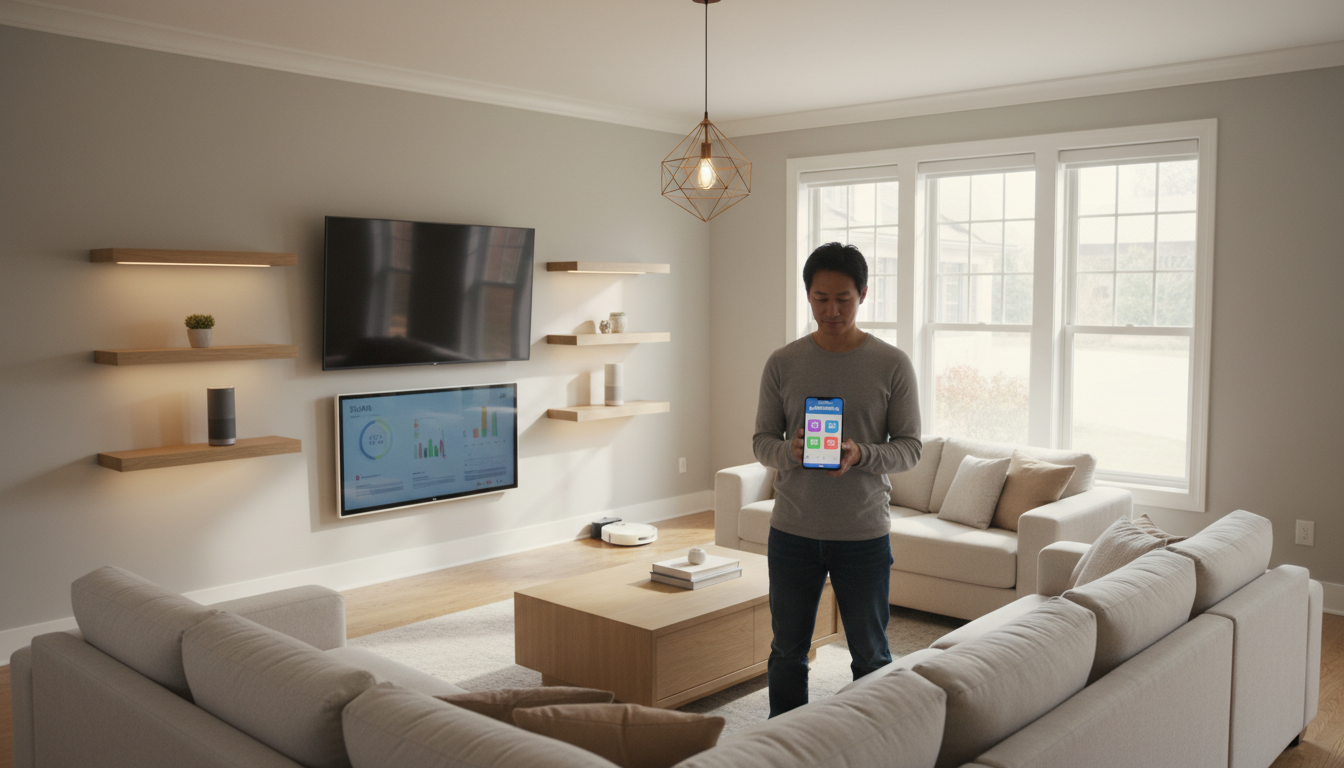
When selecting devices, compatibility is crucial. Ensure that your smart lights, thermostats, and cameras can all connect to your chosen hub. This not only simplifies control but also allows for synchronized automation. Check the manufacturer's specifications for compatibility information.
Utilizing Voice Assistants
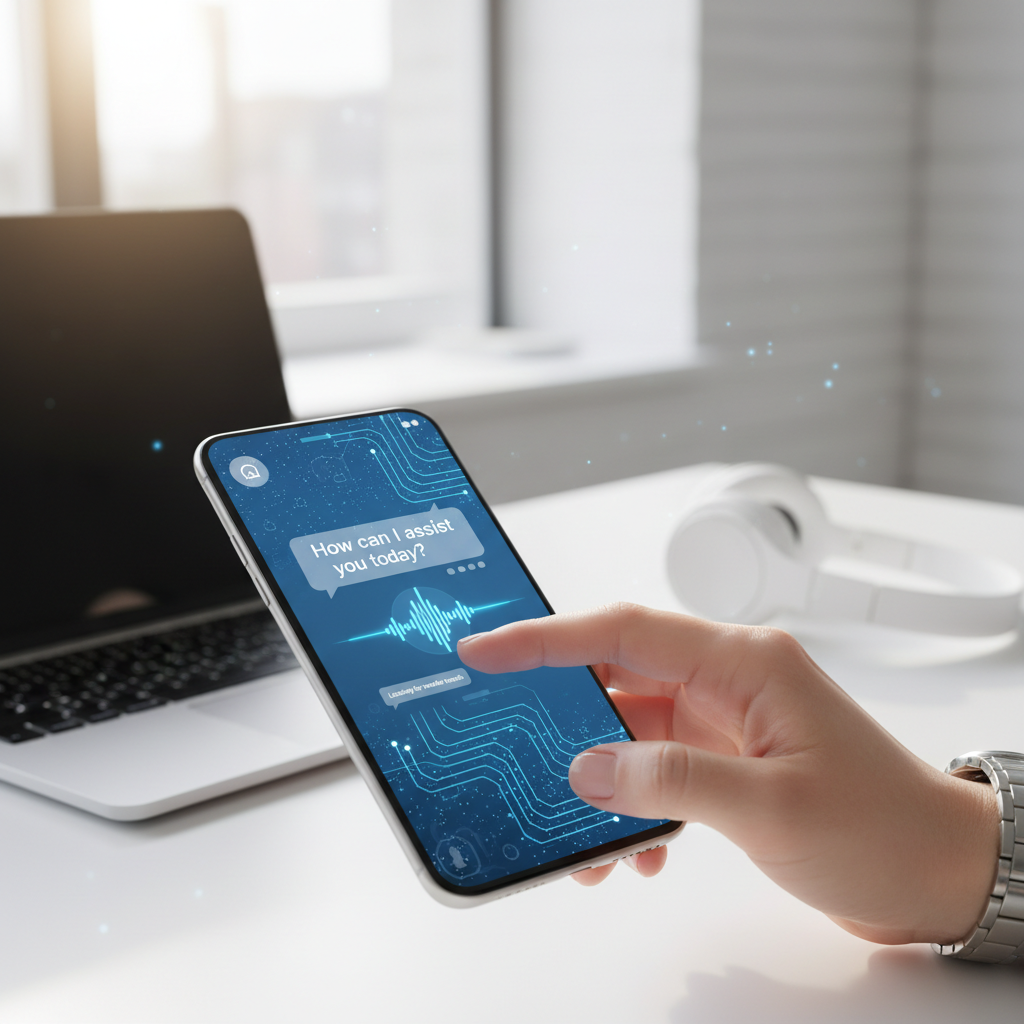
Voice assistants like Alexa, Google Assistant, and Siri can make managing your smart home a breeze. Set up voice commands for common tasks, such as turning off the lights or adjusting the thermostat. This hands-free control adds a layer of convenience and efficiency to your daily routines.
Creating Automation Routines
Automation routines allow you to program your devices to work together. For example, you can set your lights to dim and your thermostat to adjust when you start a movie. Most smart home hubs offer user-friendly apps for creating these routines.
Setting Up Zones
Dividing your home into zones can help manage your smart devices more effectively. For instance, you can create separate settings for the living room, kitchen, and bedroom. This organization helps in tailoring the environment to specific needs and enhances overall comfort.

Ensuring Security and Privacy
Security should be a top priority when integrating smart devices. Use strong, unique passwords and regularly update your devices' firmware. Consider investing in a smart home security system to monitor and protect your network from potential threats.
Maintaining Your Smart Home
Regular maintenance is essential to keep your smart home running smoothly. Periodically check for software updates and troubleshoot any connectivity issues. Staying proactive can prevent minor issues from becoming major problems.
Future-Proofing Your Smart Home
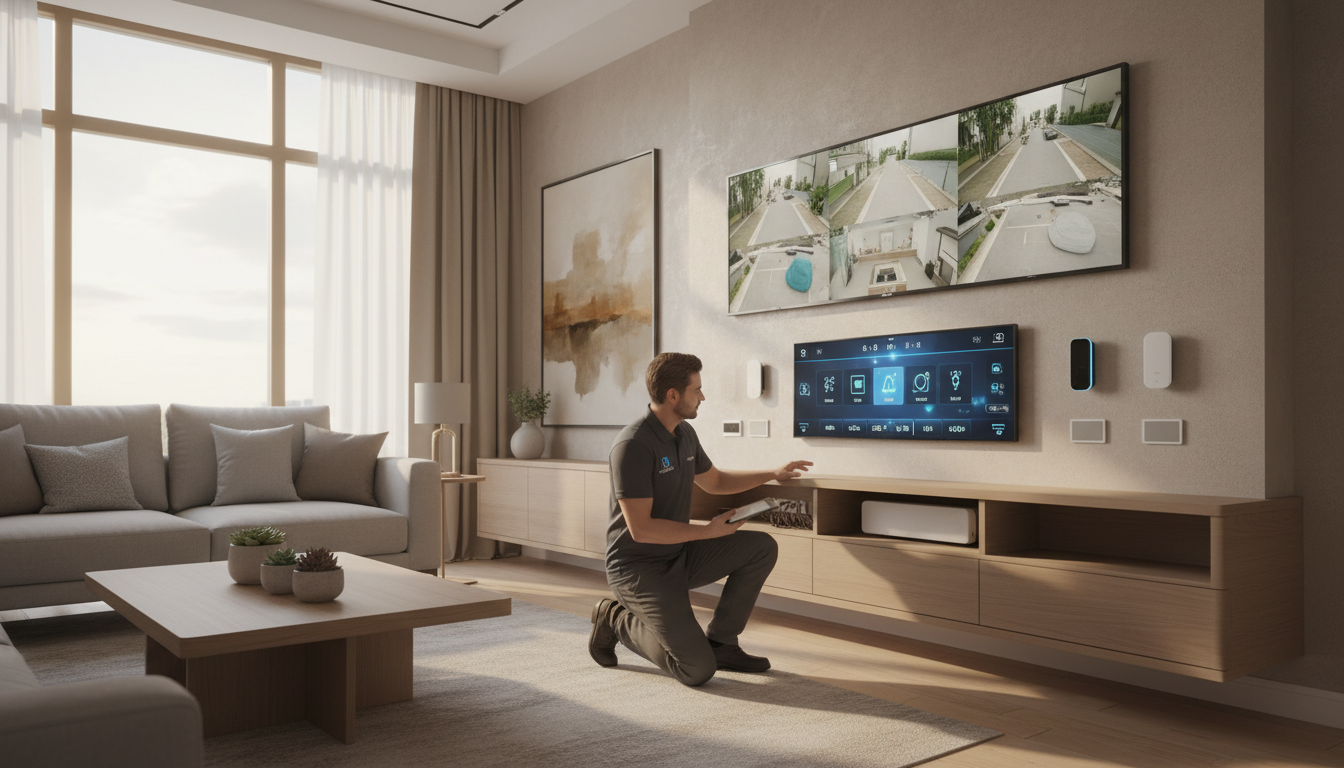
As technology evolves, so will smart home devices. Opt for devices that offer firmware updates and are compatible with emerging technologies. This ensures that your smart home remains cutting-edge without needing frequent hardware upgrades.
Integrating your smart home can be a rewarding experience, offering convenience, efficiency, and enhanced living. By following these expert tips and tricks, you can create a connected environment tailored to your lifestyle.