Smart Home Automation: Common Myths and Misconceptions


Understanding Smart Home Automation
Smart home automation has rapidly gained popularity, promising convenience, enhanced security, and energy efficiency. However, along with its rise, several myths and misconceptions have emerged. It's essential to separate fact from fiction to make informed decisions about integrating smart technology into your home.
Myth 1: Smart Homes Are Too Expensive
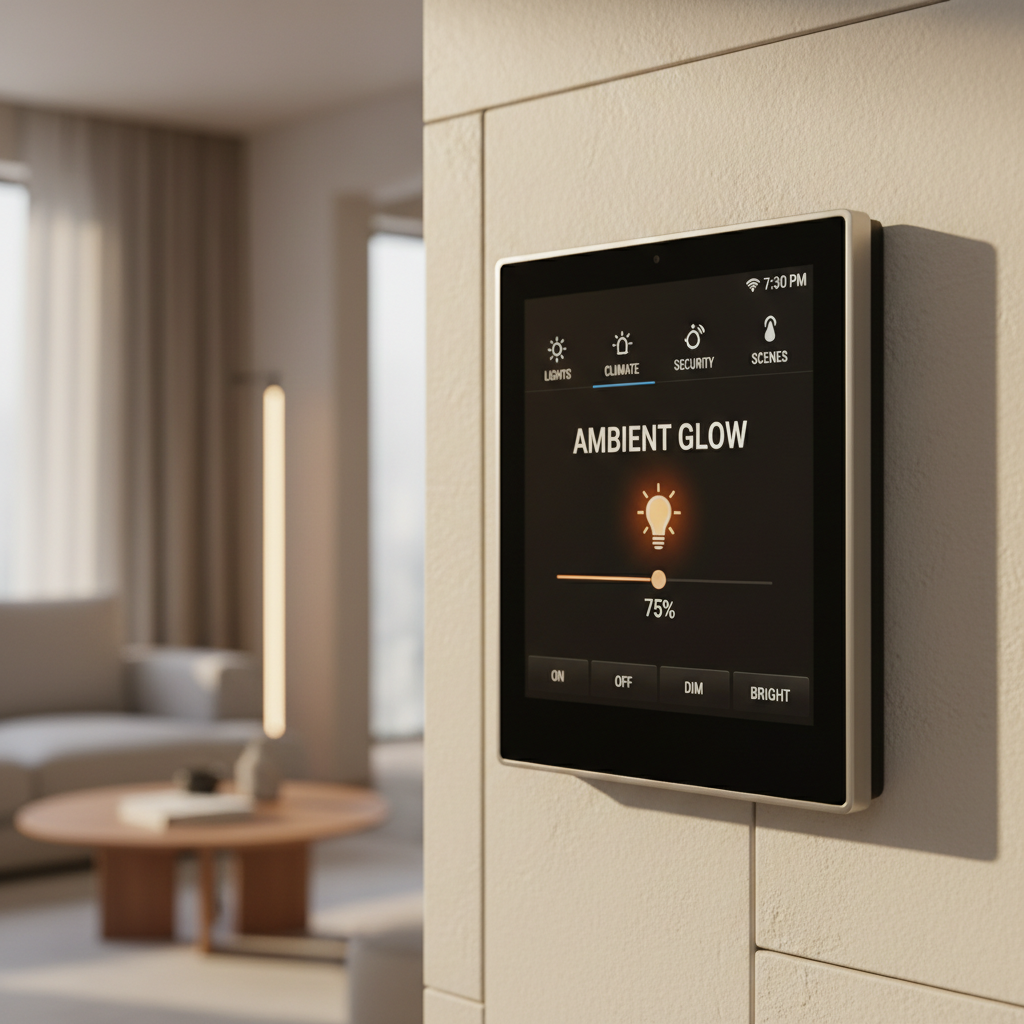
One of the most common misconceptions is that smart home technology is prohibitively expensive. While certain high-end systems can be costly, there are many affordable options available. Consumers can start small with devices like smart bulbs or plugs and gradually expand their setup as needed.
Smart home technology is more accessible than ever, thanks to competitive pricing and a variety of products catering to different budgets. Even basic automation can significantly enhance your home's functionality and efficiency.
Myth 2: Technology Is Too Complicated
Another misconception is that smart home technology is overly complex and difficult to manage. In reality, modern smart devices are designed with user-friendliness in mind. Most products come with straightforward apps and intuitive interfaces.
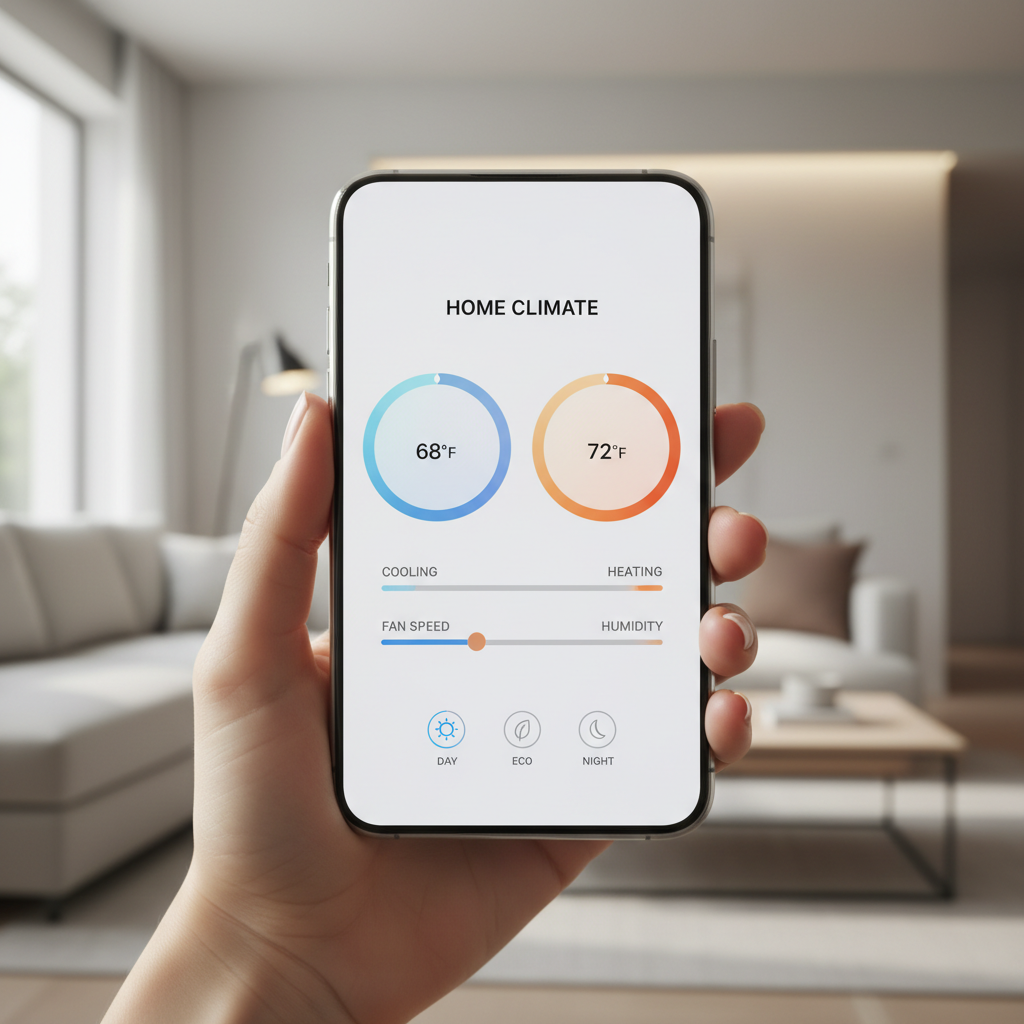
Many systems offer seamless integration with virtual assistants like Alexa or Google Assistant, allowing for easy voice control. With a bit of initial setup, controlling your smart home can become second nature.
Myth 3: Smart Homes Are Vulnerable to Hacking
Security concerns are often at the forefront of discussions about smart home technology. While it's true that any connected device can be vulnerable, manufacturers are continually improving security measures. Consumers can also take steps to protect their systems.
Ensuring your home network is secure, regularly updating device software, and using strong passwords are simple yet effective ways to safeguard your smart home. Proactive security practices can significantly reduce risks.

Myth 4: Smart Devices Are Unreliable
Some people worry that smart devices might be unreliable or prone to failure. However, most reputable brands offer robust and dependable products. It's crucial to research and choose devices with positive reviews and proven track records.
Additionally, many smart home systems come with warranties and customer support, providing peace of mind and assistance if issues arise.
Myth 5: Automation Isn't Necessary
There's a belief that smart home automation is a luxury rather than a necessity. While it's true that it's not essential, the benefits can be substantial. Automation can save time, reduce energy consumption, and enhance security, offering a significant return on investment.
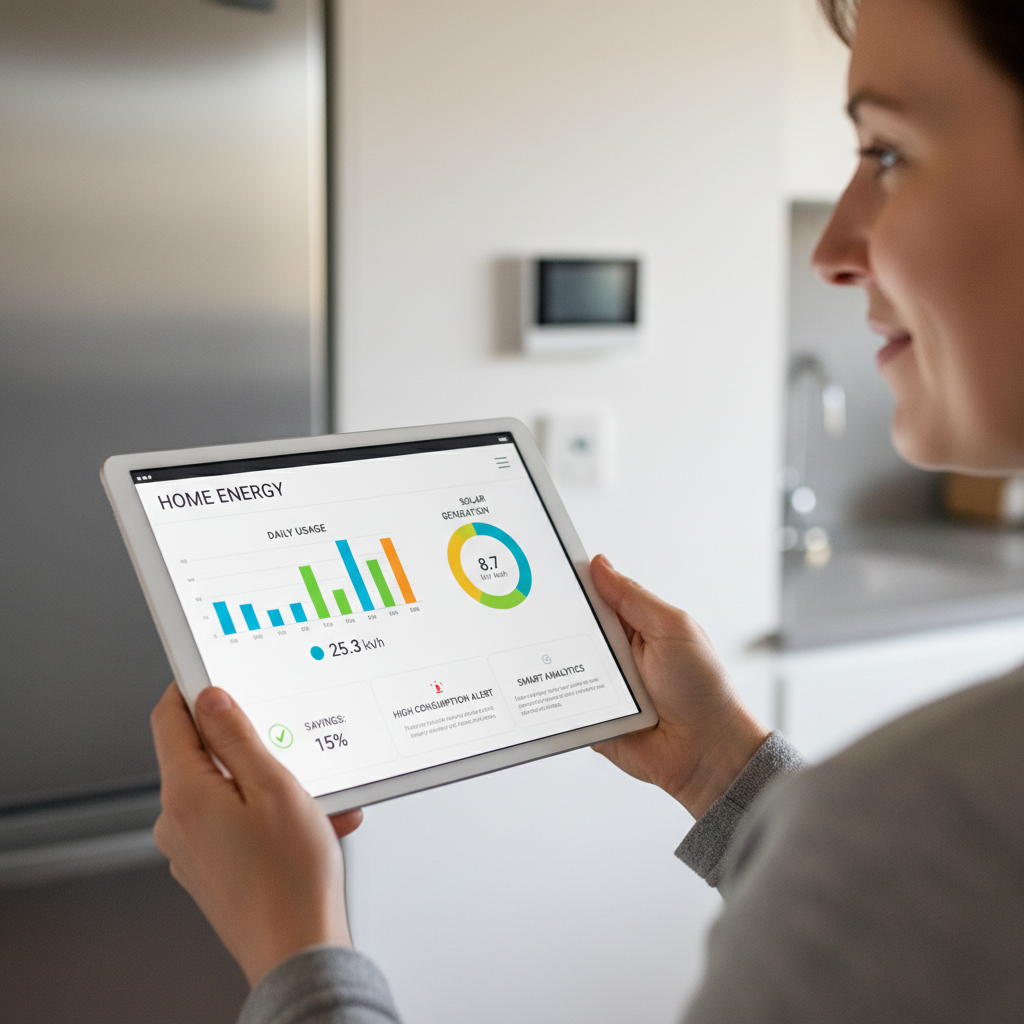
From scheduling lights to adjusting thermostats remotely, smart home technology can simplify daily routines and contribute to a more sustainable lifestyle.
Embracing the Future
Understanding the realities of smart home automation can help dispel myths and encourage more people to explore its advantages. As technology continues to evolve, smart homes will likely become even more integrated into our everyday lives, offering enhanced convenience, security, and efficiency.
By approaching smart home automation with an open mind and a willingness to learn, homeowners can unlock the full potential of this innovative technology.